Character and project context
What Is Verity Mod in Minecraft?
Verity began as a horror-companion character associated with ThatMob's Minecraft videos; the playable projects covered here are separate Java and Bedrock adaptations with their own maintainers.
Verity in one paragraph
Verity is a Minecraft horror-companion character associated with videos by the creator ThatMob. The character introduces itself as a helpful friend that can answer questions, while the story gradually reveals unsettling behavior and a darker form. The Java and Bedrock projects covered by this guide turn parts of that idea into playable adaptations with AI or backend-driven conversation, game entities, and horror mechanics.
The original character context and the playable projects are related but not identical. A video can use scripting, editing, voice performance, custom animation, and narrative timing that a public mod does not reproduce. A playable adaptation can add its own technical choices and mechanics. Understanding that boundary prevents disappointment and helps users identify real download sources.
The creator context
ThatMob’s YouTube channel is the primary creator context linked from the checked Verity JE project. When you want to understand the original character, story presentation, or video series, start with that creator channel rather than a mod repost describing itself as the “original.” This guide links to the channel but does not rehost its videos.
The Verity JE project page states that its adaptation has explicit permission from ThatMob and lists thatmobyt on the project team. That is the maintainer’s claim about the Java project’s relationship. It does not automatically authorize every same-name file, port, fan project, or mirror.
Verity BE is a separate Bedrock add-on maintained by Undertaletalelover and also presents the helper-to-horror idea. Its own project page, Project ID, files, gallery, and tutorial are the authority for that implementation.
Why users call it an AI mod
The playable Java project can connect to Groq or to a local Ollama model. That connection lets users send prompts and receive generated responses rather than selecting only from a small fixed dialogue tree. The Bedrock project uses its own maintainer connection workflow and backend behavior.
“AI” does not mean that the character understands the whole world, reads every file, or possesses the powers implied by horror dialogue. A language model produces responses from input and configuration. Game scripts decide what world state is exposed and what actions an entity can take. The useful technical questions are which service receives a prompt, what data the mod supplies, and what permissions or network connections are active.
Do not send secrets or private personal information to the companion. With Groq, model requests go to a cloud service. With Ollama, inference can run locally. Bedrock follows its own connection design. Each route has a different trust boundary.
Friendly helper and horror progression
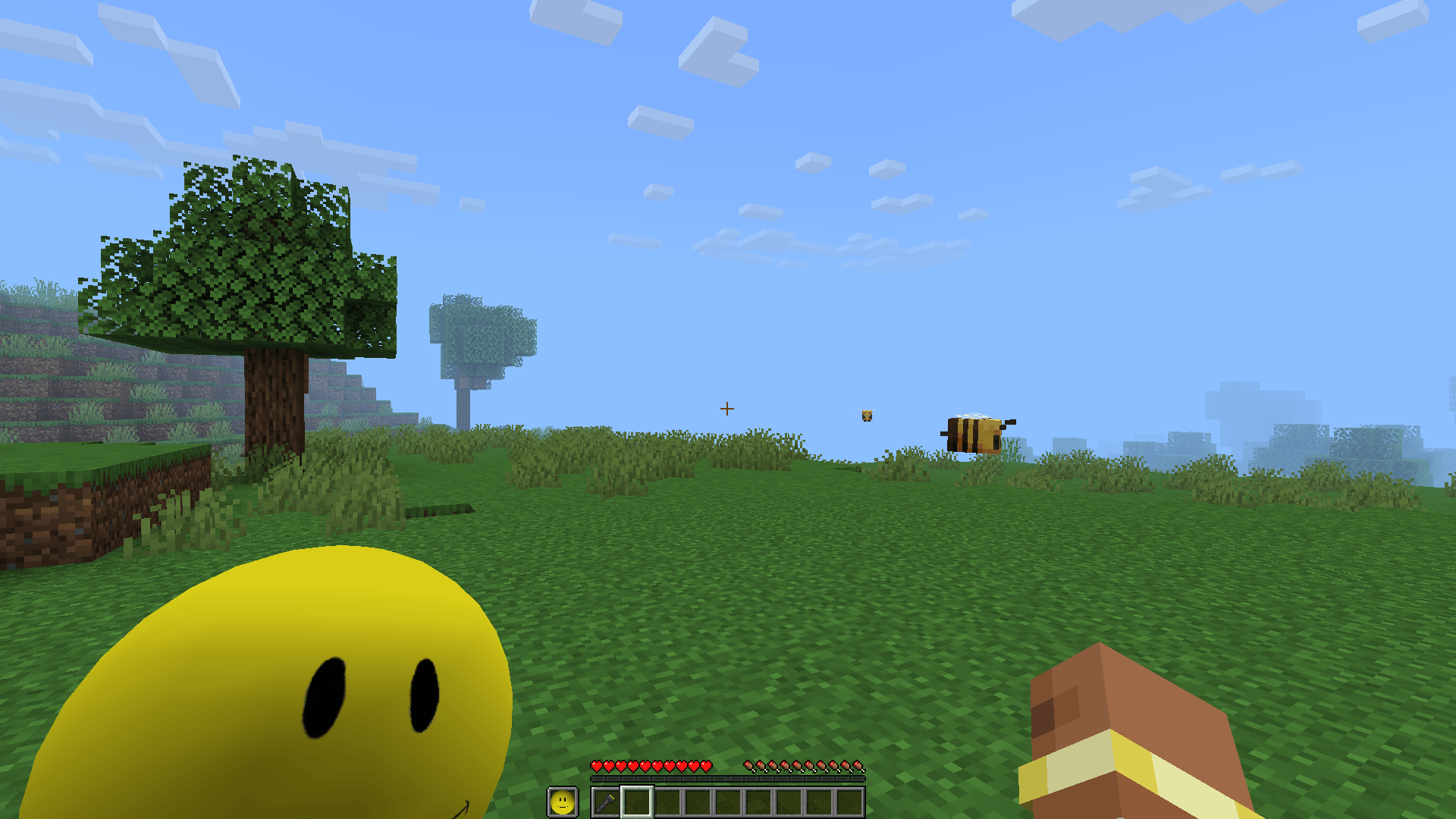
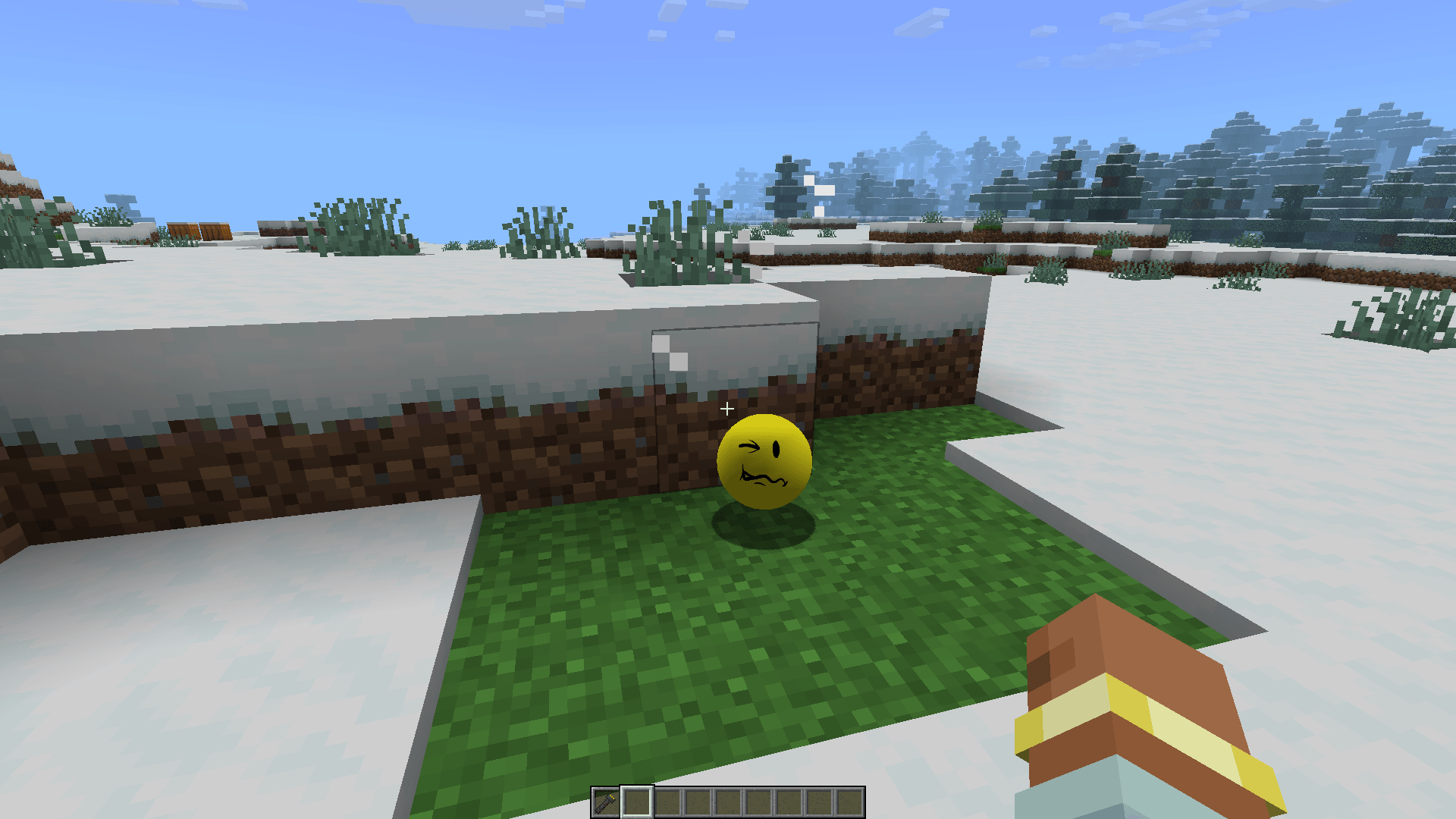
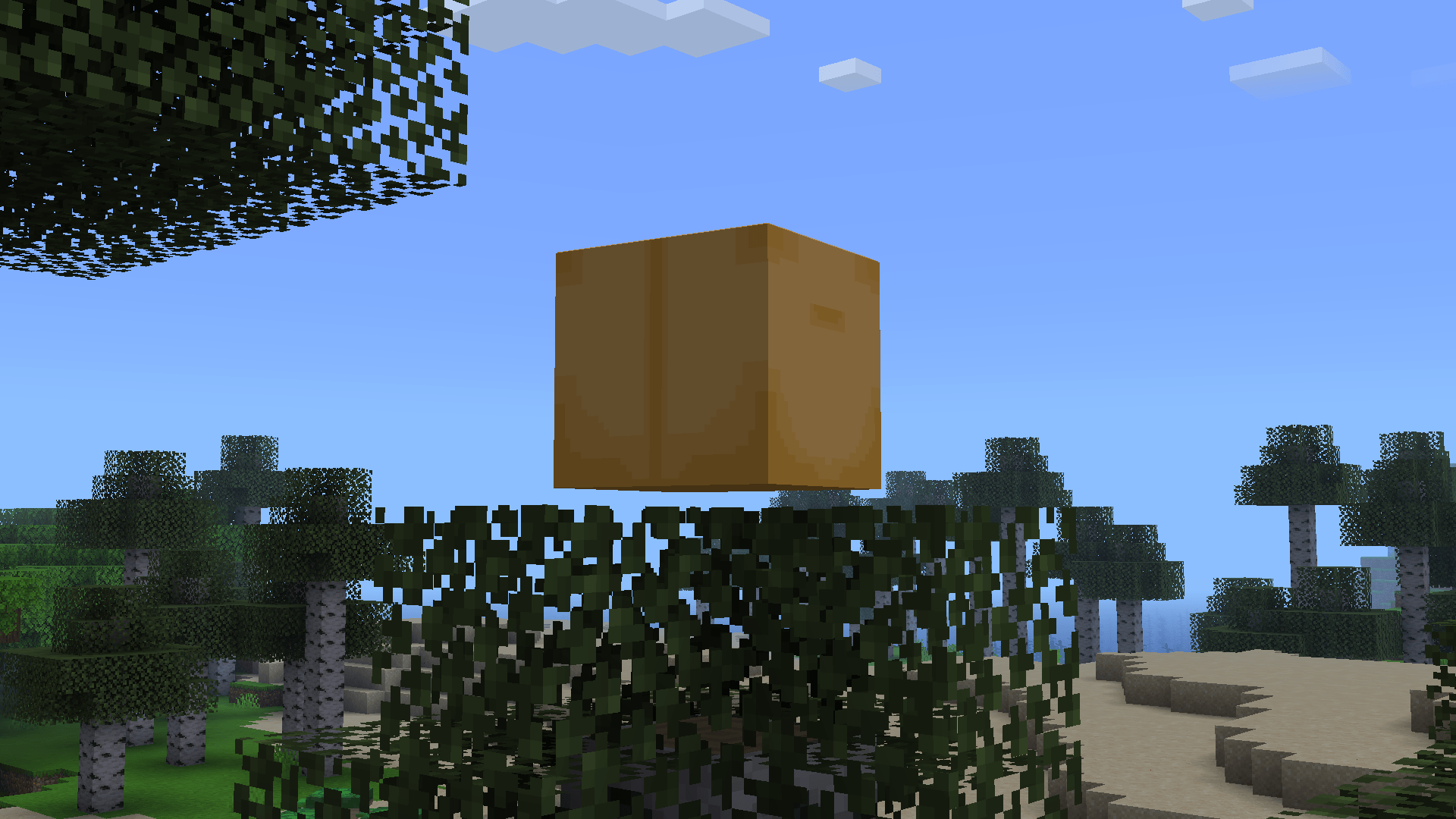
The checked project descriptions frame Verity as a personal helper friend that can answer questions. The Java gallery and description also show a box-like companion, extreme darkness, and a demon or hostile transformation. The Bedrock description says the helper becomes creepier as the days continue and includes a “Hive Mind” explanation video linked by its maintainer.
Those elements make Verity closer to interactive horror than a neutral utility assistant. Players should expect story tension, frightening imagery, darkness, and potentially hostile encounters. The exact progression, triggers, and available mechanics differ by project release. Do not use a dramatic video scene as proof that the same event exists in every public build.
What the Java adaptation includes
Verity JE is the Java project by VarmiteYT, Project ID 1591438. On the current check date, its clearest route is Minecraft 1.20.1 with Forge. A 1.21.1 NeoForge branch exists but is marked deprecated and buggy by the maintainer.
Its distinguishing technical feature is the choice between Groq cloud AI and local Ollama. The project page says AI text supports multiple languages, while speech-to-text and text-to-speech were tested in English. That means text conversation, voice input, and voice output should be tested as separate layers.
Java users need a loader profile and the dependencies listed for the selected release. The project is not installed by importing a Bedrock add-on, and its provider configuration should not be copied into Bedrock chat.
What the Bedrock adaptation includes
Verity BE is the Bedrock add-on by Undertaletalelover, Project ID 1574632. The current checked route targets Bedrock 26.30, with 26.20 present in file history. It uses Bedrock behavior and resource packs rather than Forge or NeoForge.
The current setup requires Beta APIs, cheats, and a maintainer-defined connection step. After connection, the maintainer instructs players to address Verity in chat. Three dots are documented as a connection-related symptom, while a missing dialogue interface points toward experiments, version compatibility, or inactive scripts.
Mobile players may search for Verity PE, but they should still follow the Bedrock project version and device requirements. “PE” in a video title does not prove that an add-on supports every current mobile build.
Is it the same as the videos?
Not exactly. A creator video is an authored experience. It can control camera placement, pacing, dialogue, animation, edits, and story outcomes. A public mod or add-on must work inside a player’s unpredictable world, within the limits of a loader or creator API, and through whatever model or backend is available.
Playable versions can reproduce the broad experience of a talking helper and horror escalation without reproducing every shot, voice, response, or event. If a download page promises every viral scene with no version details or maintainer identity, treat the marketing claim as a warning rather than a feature guarantee.
Why there are multiple “Verity mods”
Popular creator concepts attract fan projects, ports, experiments, copies, and misleading uploads. Java and Bedrock also require different implementations, so more than one legitimate adaptation can exist. The name alone cannot tell you which one a tutorial uses.
Identify a project with five fields: edition, maintainer, Project ID, exact game version, and loader or import method. For the projects covered here, those fields are repeated on the download and comparison pages. Same-name files with different identities should be described separately, not folded into one “official Verity Mod.”
Fiction versus real security
Verity’s story is designed to feel invasive and unsettling. Dialogue that claims to watch the player, know a routine, or control the computer is not by itself technical evidence that software accessed that information. At the same time, a horror theme is not a reason to ignore real warnings.
Evaluate observable behavior: download source, package identity, security scans, requested microphone access, network destinations, configuration files, and reproducible actions. If a real alert occurs, isolate the profile and investigate the specific file. If the only evidence is in-character dialogue, do not turn it into an accusation without technical proof.
The best way to experience Verity
Watch the original creator channel for the authored story context. Use the Java or Bedrock maintainer project for a playable adaptation. Start in a test profile or world, match the exact version, and keep expectations tied to the current project description rather than a viral clip.
That approach preserves all three useful distinctions: creator work, maintained adaptation, and your own installation. It also makes troubleshooting much easier when the companion appears differently from the video you first saw.
Project gallery evidence
These images load from the public CurseForge project gallery. Copyright remains with the credited creators; each image links back to its source.

Watch the matching walkthrough
Video players load only after you press play. A normal YouTube link remains available beside every video.
Frequently asked questions
Who created Verity?
ThatMob is the creator source associated with the Verity character and video series. The playable Verity JE and Verity BE projects are maintained adaptations by other creators.
Is the Verity character really powered by AI?
The maintained playable projects use AI or backend connections for responses. Horror videos can also use scripted storytelling and editing, so video behavior should not be assumed to be a literal feature list.
What does Verity do in Minecraft?
The playable projects present Verity as a helper companion that can answer prompts, with horror elements that develop beyond the friendly introduction. Exact mechanics differ between Java and Bedrock.
Is Verity an official Mojang character?
No. Verity is not a Mojang or Microsoft Minecraft character. It is a creator-led horror concept and community adaptation subject.
Sources used on this page
Checked
Verity JE on CurseForge
Java identity, Project ID 1591438, Forge/NeoForge versions, AI options, files, gallery, and maintainer notices.
Checked
Verity BE on CurseForge
Bedrock identity, Project ID 1574632, current game builds, setup requirements, troubleshooting notes, and gallery.
Checked